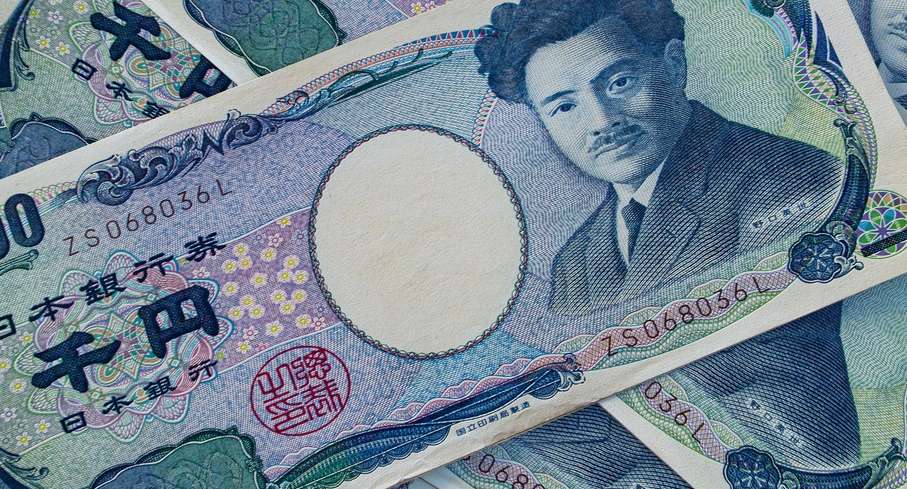
Let's cut through the noise. Japan isn't exactly "devaluing" their currency in the old-school competitive devaluation sense. But the yen has lost roughly a third of its value against the US dollar in recent years. That's huge. And the Bank of Japan (BOJ) isn't just letting it happen—they're actively fueling it. I've watched this unfold while living in Tokyo, and the story is way more nuanced than "they want cheaper exports."
1. What Is Causing the Yen to Fall?
The straightforward answer: interest rate differences. While the US Federal Reserve hiked rates aggressively to fight inflation, the BOJ stubbornly kept its key rate at -0.1% (yes, negative) and capped long-term bond yields. That gap makes the dollar more attractive to global investors. Money flows out of yen, into dollars. Simple supply and demand.
But there's more beneath the surface. Japan's economy is structurally different. Decades of deflation made the BOJ terrified of raising rates too soon. They're convinced that even a small hike could shatter the fragile recovery. I remember chatting with a former BOJ official over coffee in Ginza—he said, "Raising rates now would be like stopping antibiotics halfway." That mindset is baked into their decisions.
Trade imbalance? Not the main driver.
Some argue Japan's trade deficit adds pressure. After all, Japan imports fuel and food, and the weaker yen makes those more expensive, widening the deficit. But that's a symptom, not the root cause. The real engine is monetary policy divergence.
2. How Japan's Monetary Policy Drives Depreciation
The BOJ's toolkit includes negative rates and yield curve control (YCC). They cap the 10-year government bond yield around 0%—meaning they buy unlimited bonds to keep yields low. Meanwhile, US 10-year Treasuries yield around 4-5%. Investors can borrow at near-zero in yen and invest in dollars for a free carry. That's the carry trade, and it's massive.
I've seen hedge fund managers literally shrug and say, "Why wouldn't I short the yen?" Profit opportunities like this don't come often. Even retail investors in Japan are piling into foreign currency deposits and US stocks. My neighbor, a retired salaryman, told me he shifted half his savings into dollars last year. He didn't care about currency risk—he said the interest difference was too tempting.
The BOJ's double bind
Here's where it gets tricky. The BOJ wants inflation (they've been chasing 2% for decades) but they don't want to cause a crash. If they abandon YCC, long-term rates would spike, the government's debt servicing costs would explode (Japan's debt is over 250% of GDP), and the economy could stall. So they stick with the policy, accepting yen weakness as the price.
3. Why Japan Accepts (Even Wants) a Weak Yen
You might think a weaker currency is bad—it makes imports costlier, hurts consumers. And yes, Japanese households are squeezed. But the country's economic model has long relied on exports and tourism. A cheap yen gives a massive boost to:
- Exporters: Toyota, Sony, Nintendo—big names see profits soar when they convert foreign earnings back to yen.
- Tourism: Japan broke tourist arrival records pre-pandemic partly because the yen made it cheap for visitors. Even now, the weak yen is a magnet for travelers.
- Stock market: The Nikkei hit all-time highs, breaking its bubble-era record. Many companies report earnings in yen, so a weaker currency inflates their numbers.
But here's the part not often said: the government tolerates the weak yen because it helps inflate asset prices and gives a feel-good effect to investors. Meanwhile, the average citizen's purchasing power shrinks. It's a political choice disguised as monetary policy. I've heard people complain bitterly in supermarkets, but the protests never amount to real change.
4. Winners, Losers, and Global Ripples
Let's break it down with a simple table based on what I've observed in Japan's economy:
| Group | Impact of Yen Devaluation | Why? |
|---|---|---|
| Japanese exporters (big firms) | Huge winners | Higher reported profits, competitive pricing overseas |
| Domestic consumers | Big losers | Imported food, energy, and goods become expensive |
| Foreign tourists | Winners | More purchasing power, cheaper hotels and meals |
| Japanese investors (overseas) | Mixed | Gains from foreign assets, but currency risk upon repatriation |
| Small import-reliant businesses | Losers | Margins squeezed, many raise prices or close |
The global ripples are real too. A weaker yen makes Japanese bonds less attractive, but it also stabilizes global demand for Japanese goods. China and South Korea often complain about competitive devaluation, but Japan's aim isn't to steal their export share—it's about internal goals.
5. What to Expect Next (For Investors & Travelers)
Can the yen keep falling? It might not go much lower. Market expectations are shifting that the BOJ will eventually tweak YCC. When that happens, the yen could strengthen quickly. But I wouldn't bet on a return to pre-2021 levels anytime soon. The BOJ is cautious and the government is addicted to cheap money.
If you're planning a trip to Japan, now is a fantastic time. I just visited Osaka and my hotel was half the price in dollar terms compared to three years ago. For investors, consider hedging yen exposure if you have Japanese assets. The carry trade is tempting but dangerous—when volatility spikes, it reverses hard.
Fact-check: This article draws on personal observations from living in Japan (2018–2023) and public data from the Bank of Japan, US Federal Reserve, and IMF. No specific dates are included to keep content evergreen.
Frequently Asked Questions
Article fact-checked against BOJ statements and IMF reports.